This course aims to enable the student to investigate sustainable technology principles and integrate this knowledge within a local context.
- Teacher: Jone Tawaketini
Category: BAT - BACHELOR OF APPLIED TECHNOLOGY
Course learning philosophy
This course acknowledges the importance of practicing the principles of the Treaty of Waitangi. To satisfy the outcomes of this course, it is expected that you as a student are well informed of the Principle of Wakaritenga (to speak freely for the benefit of all) that provides varied levels of desired learning. I, as your learning facilitator am guided by the Principle of Kaitiakitanga (guardianship of knowledge) who will strive to nurture a visionary environment that will encourage you to seek areas that excite you. My belief is that true learning occurs best through Mahi Kotahitanga (spirit of cooperation and generosity) when it is most meaningful to you and adds value to the development of your life skills. The progression will be led by Ngākau Māhaki (respecting others heritage and customs) working collaboratively with your peers, facilitator and learning will be measured through continuous feedback and reflection. You are expected to understand and utilise your rights to quality education. You are required to be guided by the Principle of Rangatiratanga (take responsibility) of yourself, your course facilitator and each other in our collective endeavours to learn, discover, innovate and create. This assessment requires you to connect to the world of work developing employment outcomes and have work-ready skills.
Course delivery: Industry focussed project-based learning
Course learning philosophy
This course acknowledges the importance of practicing the principles of the Treaty of Waitangi. To satisfy the outcomes of this course, it is expected that you as a student are well informed of the Principle of Wakaritenga (to speak freely for the benefit of all) that provides varied levels of desired learning. I, as your learning facilitator am guided by the Principle of Kaitiakitanga (guardianship of knowledge) who will strive to nurture a visionary environment that will encourage you to seek areas that excite you. My belief is that true learning occurs best through Mahi Kotahitanga (spirit of cooperation and generosity) when it is most meaningful to you and adds value to the development of your life skills. The progression will be led by Ngākau Māhaki (respecting others heritage and customs) working collaboratively with your peers, facilitator and learning will be measured through continuous feedback and reflection. You are expected to understand and utilise your rights to quality education. You are required to be guided by the Principle of Rangatiratanga (take responsibility) of yourself, your course facilitator and each other in our collective endeavours to learn, discover, innovate and create. This assessment requires you to connect to the world of work developing employment outcomes and have work-ready skills.
Course delivery: Industry focussed project-based learning
Course learning philosophy
This course acknowledges the importance of practicing the principles of the Treaty of Waitangi. To satisfy the outcomes of this course, it is expected that you as a student are well informed of the Principle of Wakaritenga (to speak freely for the benefit of all) that provides varied levels of desired learning. I, as your learning facilitator am guided by the Principle of Kaitiakitanga (guardianship of knowledge) who will strive to nurture a visionary environment that will encourage you to seek areas that excite you. My belief is that true learning occurs best through Mahi Kotahitanga (spirit of cooperation and generosity) when it is most meaningful to you and adds value to the development of your life skills. The progression will be led by Ngākau Māhaki (respecting others heritage and customs) working collaboratively with your peers, facilitator and learning will be measured through continuous feedback and reflection. You are expected to understand and utilise your rights to quality education. You are required to be guided by the Principle of Rangatiratanga (take responsibility) of yourself, your course facilitator and each other in our collective endeavours to learn, discover, innovate and create. This assessment requires you to connect to the world of work developing employment outcomes and have work-ready skills.
Course delivery: Industry focussed project-based learning
To effectively manage a fleet at its optimum level it is important to understand vehicle maintenance and vehicle parts, aligning holding periods for vehicles will impact maintenance planning, vehicle replacement process and programs, total maintenance costing and other associated cost involving vehicle maintenance and planning.
The underlying principle of customer care is to acknowledge the diverse cultures of the New Zealand metropolitan customers.
Aim / Purpose
To enable students to analytically examine and discuss vehicle fleet operations, importance of fleet maintenance planning to minimize the impact of risk associated with vehicle investment and economic impact.
Learning outcomes
On successful completion of learning the student will be able to demonstrate knowledge and understanding at Level 6 relating to:
1. Concepts of transport (fleet) management.
2. Transport planning and fleet maintenance scheduling.
3. Impact of Transport operations, costing and pricing.
4. Drivers health, safety, security and incident management.
To effectively manage a fleet at its optimum level it is important to understand vehicle maintenance and vehicle parts, aligning holding periods for vehicles will impact maintenance planning, vehicle replacement process and programs, total maintenance costing and other associated cost involving vehicle maintenance and planning.
The underlying principle of customer care is to acknowledge the diverse cultures of the New Zealand metropolitan customers.
Aim / Purpose
To enable students to analytically examine and discuss vehicle fleet operations, importance of fleet maintenance planning to minimize the impact of risk associated with vehicle investment and economic impact.
Learning outcomes
On successful completion of learning the student will be able to demonstrate knowledge and understanding at Level 6 relating to:
1. Concepts of transport (fleet) management.
2. Transport planning and fleet maintenance scheduling.
3. Impact of Transport operations, costing and pricing.
4. Drivers health, safety, security and incident management.
To develop a sound understanding of medium-scale construction, structure and associated services (translating broad design outcomes into a detailed design and documentation), with particular reference to residential, light industrial and commercial buildings.
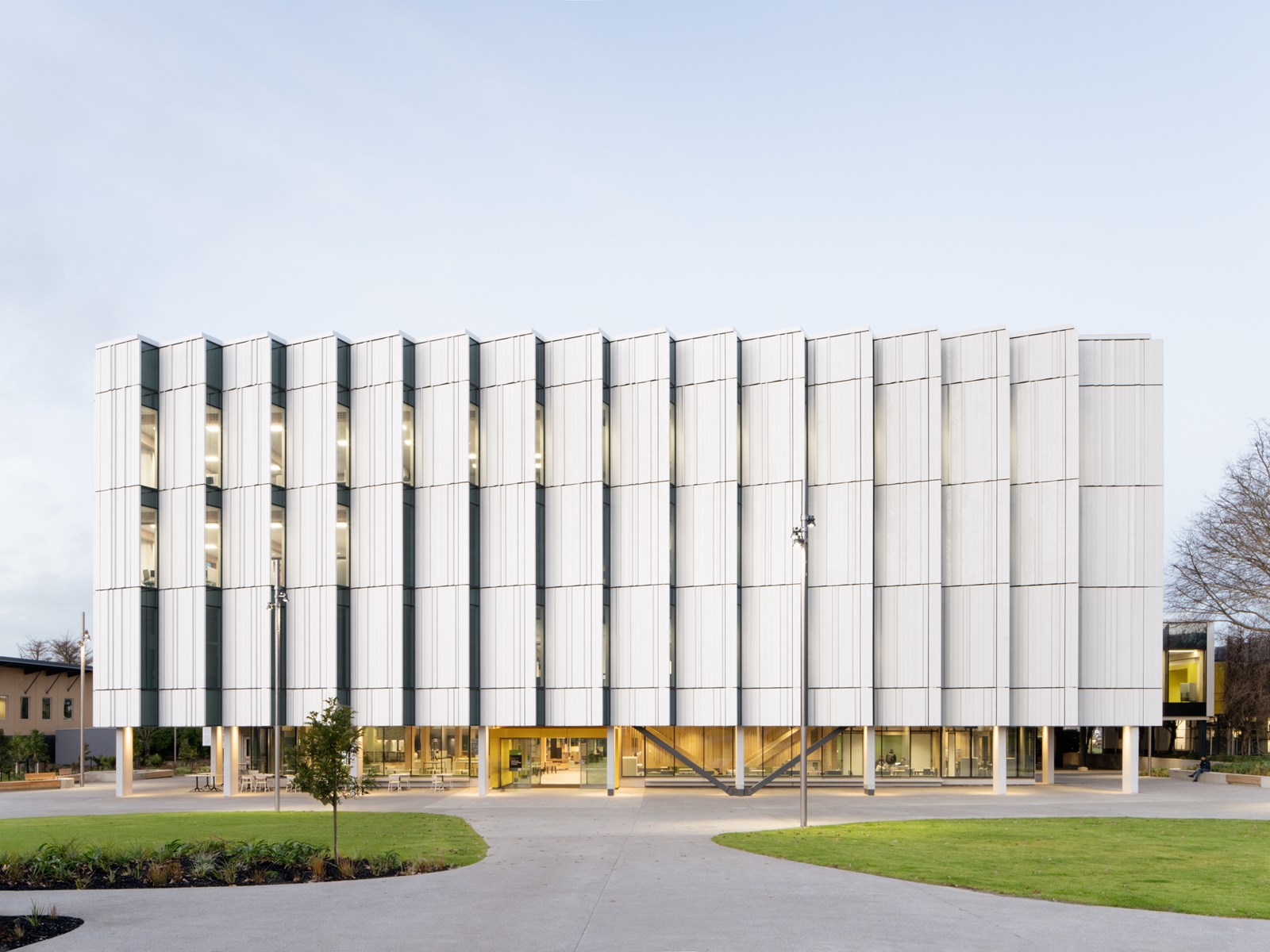
To develop a sound understanding of medium-scale construction, structure and associated services (translating broad design outcomes into a detailed design and documentation), with particular reference to residential, light industrial and commercial buildings.
Etching has been in use since the 1400’s and is an intaglio printmaking process that employs a mordant to incise an image
or design into an unprotected and exposed metal surface. The incisions then becomes the vehicle for ink which is pressed
and transferred onto paper. The process is primarily analogue yet there are options and potential to incorporate digital
drawing techniques. In current times of push-button printing, etching is a surprisingly versatile, flexible and dynamic
medium. This course will teach students how to make and print etchings and other intaglio prints utilising traditional and
contemporary printing methods.
To develop an understanding of the fundamentals of printmaking and the basic history of intaglio.
To explore and become knowledgeable of the materials of etching and their safe and effective use.
To research and implement various intaglio techniques for the making of a suite of architectural images.
To analyse and identify techniques within prints and learn the process to curate and document editions.
20% Edition of an etching with state proofs
20% Edition of a multi-plate etching with state proofs
60% Portfolio of experimental and trial proofs, monoprints and additional editions.
By the end of the course the student will be able to:
1. Design and create a suite of etching plates through various traditional and experimental methods
2. Print consistent editions
3. Document and curate prints
4. Integrate printmaking techniques into larger practice of architectural representation
plate preparation / monotype / drypoint and other engraving techniques / ground and stop-out application / stage etching /
aquatint and spit bite / scraping and burnishing / inking techniques / paper handling / registration / plate wiping and printing /
editioning / curating and documentation.
• demonstrations / presentations
• studio workshops
• individual and group critiques
• field trips
Print consistant editions
John Ross, Clare Romano, Tim Ross, The Complete Printmaker Techniques, Traditions, Innovations
Donald Saff, Deli Sacilotto, Printmaking History and Process
Catherine Brooks, Magical Secrets about Line Etching & Engraving: The Step-by-Step Art of Incised Lines
https://www.metmuseum.org/toah/hd/etch/hd_etch.htm
https://www.moma.org/interactives/projects/2001/whatisaprint/flash.html
Crown Point Press. https://magical-secrets.com/
The Kennith Tyler Printmaking Collection, NGA. https://nga.gov.au/internationalprints/tyler/default.cfm
MOMA collection database. https://www.moma.org/collection/
MET collection database. https://www.metmuseum.org/art/collection
To develop an appreciation of the legal context within which the New Zealand building industry and architectural practice operate; and to develop skills in the planning and management of architectural projects through a supervised 15-credit self-directed study.
To develop an appreciation of the legal context within which the New Zealand building industry and architectural practice operate; and to develop skills in the planning and management of architectural projects through a supervised 15-credit self-directed study.
To develop an appreciation of the legal context within which the New Zealand building industry and architectural practice operate; and to develop skills in the planning and management of architectural projects through a supervised 15-credit self-directed study.
To develop an appreciation of the legal context within which the New Zealand building industry and architectural practice operate; and to develop skills in the planning and management of architectural projects through a supervised 15-credit self-directed study.
To develop an appreciation of the legal context within which the New Zealand building industry and architectural practice operate; and to develop skills in the planning and management of architectural projects through a supervised 15-credit self-directed study.
To develop capability in the design of complex architectural projects included in the generality of urban, industrial, and city fringe architectures, with particular reference to high- rise, long- span and large-volume typologies.
By the end of the course the student will be able to:
Research a range of sources and ideas in the interrogation of a complex architecturalbriefbydrawingonarchitecturalprecedentcasestudies,theoretical writings, representational systems, technical studies and form-making research processes.
Derive and defend a conceptual or theoretical position to drive the designprocess.
Devise and integrate formal, spatial, constructional, environmental and contextualstrategiesforhigh-rise,long-spanandlarge-volumebuildings.
Carryoutdetaildesignforselectedstructural,materialandconstructional aspects of aproject.
Demonstrate competence in appropriate techniques and phasesof design projectcommunication.
To develop capability in the design of complex architectural projects included in the generality of urban, industrial, and city fringe architectures, with particular reference to high- rise, long- span and large-volume typologies.
By the end of the course the student will be able to:
Research a range of sources and ideas in the interrogation of a complex architecturalbriefbydrawingonarchitecturalprecedentcasestudies,theoretical writings, representational systems, technical studies and form-making research processes.
Derive and defend a conceptual or theoretical position to drive the designprocess.
Devise and integrate formal, spatial, constructional, environmental and contextualstrategiesforhigh-rise,long-spanandlarge-volumebuildings.
Carryoutdetaildesignforselectedstructural,materialandconstructional aspects of aproject.
Demonstrate competence in appropriate techniques and phasesof design projectcommunication.
To develop capability in the design of complex architectural projects included in the generality of urban, industrial, and city fringe architectures, with particular reference to high- rise, long- span and large-volume typologies.
By the end of the course the student will be able to:
Research a range of sources and ideas in the interrogation of a complex architecturalbriefbydrawingonarchitecturalprecedentcasestudies,theoretical writings, representational systems, technical studies and form-making research processes.
Derive and defend a conceptual or theoretical position to drive the designprocess.
Devise and integrate formal, spatial, constructional, environmental and contextualstrategiesforhigh-rise,long-spanandlarge-volumebuildings.
Carryoutdetaildesignforselectedstructural,materialandconstructional aspects of aproject.
Demonstrate competence in appropriate techniques and phasesof design projectcommunication.
To develop capability in the design of complex architectural projects included in the generality of urban, industrial, and city fringe architectures, with particular reference to high- rise, long- span and large-volume typologies.
By the end of the course the student will be able to:
Research a range of sources and ideas in the interrogation of a complex architecturalbriefbydrawingonarchitecturalprecedentcasestudies,theoretical writings, representational systems, technical studies and form-making research processes.
Derive and defend a conceptual or theoretical position to drive the designprocess.
Devise and integrate formal, spatial, constructional, environmental and contextualstrategiesforhigh-rise,long-spanandlarge-volumebuildings.
Carryoutdetaildesignforselectedstructural,materialandconstructional aspects of aproject.
Demonstrate competence in appropriate techniques and phasesof design projectcommunication.

To develop capability in the design of complex architectural projects included in the generality of urban, industrial, and city fringe architectures, with particular reference to high- rise, long- span and large-volume typologies.
By the end of the course the student will be able to:
Research a range of sources and ideas in the interrogation of a complex architecturalbriefbydrawingonarchitecturalprecedentcasestudies,theoretical writings, representational systems, technical studies and form-making research processes.
Derive and defend a conceptual or theoretical position to drive the designprocess.
Devise and integrate formal, spatial, constructional, environmental and contextualstrategiesforhigh-rise,long-spanandlarge-volumebuildings.
Carryoutdetaildesignforselectedstructural,materialandconstructional aspects of aproject.
Demonstrate competence in appropriate techniques and phasesof design projectcommunication.
A training course for ASC us peer facilitators. This course will equip students who will be helping other students with their academic skills.